Loads That Stay Secure During Transport
Cargo Control Products in Pasco for commercial hauling, construction transport, and industrial shipping loads
Columbia Rigging Corporation stocks cargo securement products including binder chains, ratchet straps, winch straps, and load binders for operations across Pasco and surrounding communities. Securing loads properly prevents shifting during transit, protects cargo from damage, and keeps highways safe when hauling equipment, materials, or construction supplies. The right configuration depends on load weight, trailer type, and the securement points available on your vehicle.
Flat hook, wire hook, V-ring, and chain extension configurations address different transport applications, from flatbed trailers to enclosed cargo systems. Weld-on D-rings and corner protectors integrate with commercial trailer frames to create permanent anchor points, while corner protectors prevent strap damage on loads with sharp edges or metal corners.
Request cargo securement recommendations based on your specific hauling requirements and trailer setup.
What Proper Cargo Securement Requires
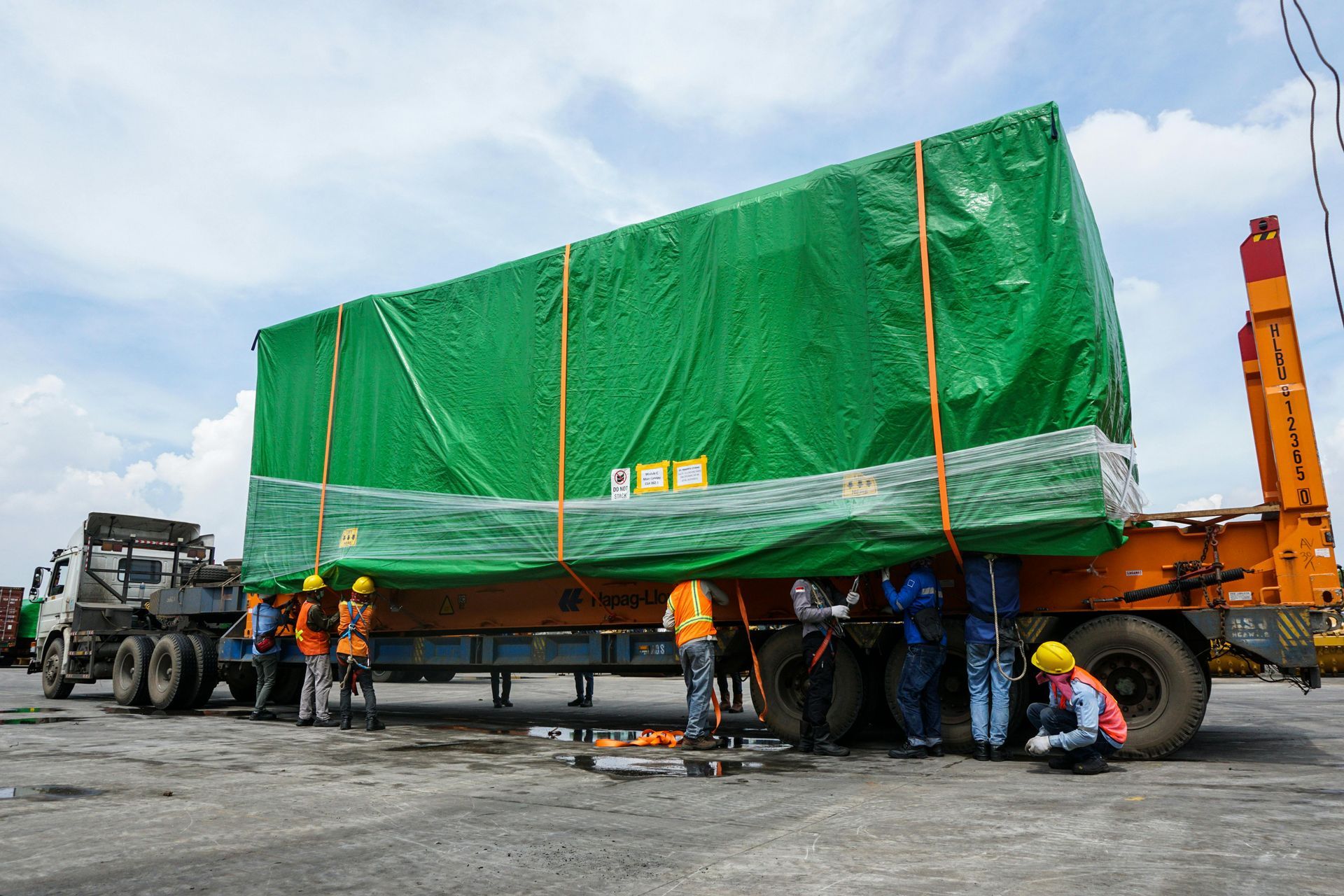
Products sourced through recognized cargo control manufacturers ensure consistent working load limits and material quality across chains, straps, and hardware. Chain binders apply tension through lever or ratchet mechanisms, while winch straps wrap around irregular loads that chains cannot grip effectively.
After securement is complete, loads remain stationary during acceleration, braking, and turning, with no visible slack in straps or chains. Corner protectors distribute pressure across wider surface areas, preventing webbing cuts that would compromise strap integrity during long hauls or repeated use.
Selecting the correct working load limit requires calculating cargo weight and understanding how forces multiply during sudden stops. Equipment rated below actual load stress leads to hardware failure, while over-tensioning damages cargo or bends trailer anchor points.

Common Questions About This Service
Industrial operations and commercial haulers working throughout the Tri-Cities region frequently ask about configuration options and proper securement techniques.
What is the difference between a ratchet strap and a winch strap?
Ratchet straps use a hand-operated ratchet mechanism to apply and maintain tension, making them ideal for lighter loads and frequent adjustments, while winch straps are designed to be tightened using a separate winch system and handle heavier-duty applications where higher tension is required.
How do I determine the correct working load limit for my cargo?
Calculate the total weight of your load, then select securement equipment with a working load limit that exceeds that weight by a safe margin, accounting for the number of attachment points and the angles at which straps or chains will be applied.
When should I use chain instead of straps for cargo securement?
Chains work better for loads with sharp edges, high temperatures, or abrasive surfaces that would cut through webbing, and they resist damage from welding sparks or exposure to oils and solvents common in construction and industrial environments.
Why do corner protectors matter for strap securement?
Corner protectors prevent webbing from contacting sharp metal edges or corners that concentrate pressure and slice through fibers during transit, which is a common failure point when securing steel beams, machinery, or fabricated metal components.
What weld-on D-ring configuration works best for flatbed trailers operating in Pasco?
The configuration depends on your trailer frame thickness and typical load distribution, but most commercial flatbeds benefit from D-rings spaced at intervals that allow four-point securement without excessive strap angles, keeping tension forces directed downward rather than laterally.
Columbia Rigging Corporation carries cargo control inventory suited to transportation, construction, and industrial shipping operations throughout the region. Request product specifications and securement guidance based on the loads you haul and equipment you operate.