Webbing That Protects Load Surfaces Under Tension
Nylon and Polyester Web Slings in Pasco for Flexible Lifting Operations and Finished Material Handling
Flat web slings distribute load pressure across wider surface areas than chain or wire rope, preventing damage to finished machinery, painted surfaces, and materials that dent or scratch under concentrated contact points. Columbia Rigging Corporation supplies Pro-Edge web slings in Pasco, which feature double-ply construction with high-tenacity yarns and edges reinforced with twisted tire-cord material that resists abrasion from repeated use. You see these slings in manufacturing plants lifting precision equipment, construction sites handling architectural components, and warehouses moving inventory that cannot tolerate surface marks.
The webbing is impregnated with binders during manufacturing, improving abrasion resistance and extending service life compared to untreated nylon or polyester. Nylon options offer better shock absorption and stretch under load, making them suitable for dynamic lifting where slight elasticity helps cushion sudden movements. Polyester webbing resists moisture and maintains dimensional stability in wet environments, which matters for outdoor applications and marine settings where nylon would absorb water and lose strength.
Request sling sizing and material recommendations based on your load weights, surface sensitivity, and environmental conditions.
What Pro-Edge Construction Adds to Standard Webbing
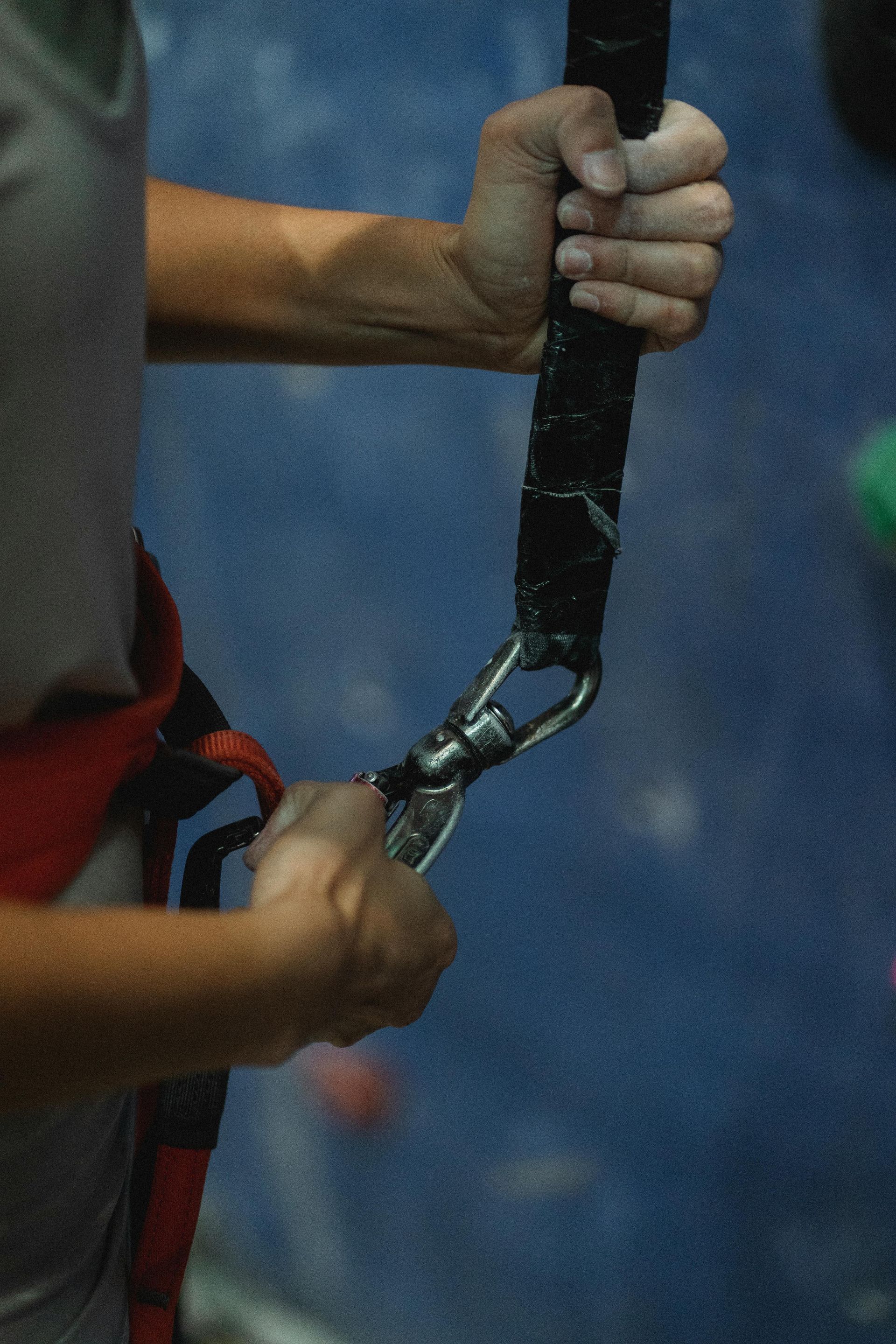
The double-ply design places a second layer of webbing behind the primary load-bearing surface, with stuffer yarns filling the interior space to maintain shape and distribute stress evenly across the sling width. Twisted tire-cord edges create a more durable boundary that resists fraying when slings drag across rough surfaces or rub against load corners during positioning. The binder impregnation process saturates the fibers with protective compounds, reducing friction damage and extending the interval between sling replacement.
After rigging with web slings, you notice cleaner load surfaces because the soft webbing conforms to contours without leaving chain marks, wire rope impressions, or metal scoring. Machinery arrives at installation sites without cosmetic damage, finished steel components maintain their coating integrity, and delicate equipment avoids the stress concentration that rigid rigging hardware creates. These slings also simplify rigging around awkward shapes where chain or wire rope cannot maintain stable contact.
Web slings lose capacity when exposed to cuts, burns, UV degradation, or chemical contamination, so regular inspection focuses on fabric condition rather than just hardware integrity. Columbia Rigging Corporation offers Pro-Edge slings manufactured by OSP Sling Inc. in both nylon and polyester, with multiple width and length configurations supporting commercial and industrial lifting requirements.
Common Web Sling Questions
Choosing between nylon and polyester webbing depends on your lifting environment, load characteristics, and the surfaces you need to protect during material handling operations.
What advantage does double-ply webbing provide during lifting?
The double-ply design with stuffer yarns spreads load tension across more fiber surface area, reducing stress concentration in individual threads and improving overall sling durability under repeated use.
How does twisted tire-cord edge construction prevent sling failure?
Tire-cord yarns create a tougher boundary that resists the abrasion and fraying that typically starts at sling edges, where contact with load corners and rough surfaces concentrates wear.
When should you choose polyester over nylon webbing?
Polyester maintains strength in wet conditions and resists stretching, making it preferable for outdoor lifting in Pasco's variable weather or applications where dimensional stability matters more than shock absorption.
Why do web slings require different inspection criteria than chain?
Fabric materials degrade from UV exposure, chemical contact, and abrasion in ways that are not always visible, so inspections focus on surface texture, color fading, stiffness changes, and any cuts or burns in the webbing.
What lifting capacities are available in Pro-Edge configurations?
Pro-Edge slings are manufactured in capacities ranging from light-duty to heavy industrial applications, with ratings determined by webbing width, material type, and sling configuration such as vertical, choker, or basket hitches.
Columbia Rigging Corporation stocks Pro-Edge web slings in common capacities and can order specialized configurations when your lifting operations require specific lengths or non-standard ratings. Reach the Pasco facility to discuss load weights, surface protection needs, and environmental factors affecting sling material selection.