Compliance Documentation That Holds Up
Sling Inspection and Load Test Certification in Pasco for industrial rigging hardware, lifting assemblies, and safety compliance records
Slings and rigging hardware degrade through repeated load cycles, exposure to abrasive materials, and contact with sharp edges, creating invisible stress damage that leads to sudden failure under load. Proof load testing applies controlled force to verify that equipment still meets rated capacity, while inspection identifies wear patterns, cuts, or corrosion that compromise safety. Columbia Rigging Corporation performs sling inspection, proof load testing, and certification services on-site across Pasco and surrounding communities, using a 200,000 lb Esco proof test machine calibrated to N.I.S.T. standards.
Testing follows ASME and ANSI lifting and rigging standards, which define proof loads, inspection criteria, and documentation requirements that satisfy regulatory and insurance audits. On-site service eliminates downtime from transporting equipment off-site and allows testing during scheduled maintenance windows rather than interrupting active operations.
Schedule testing and certification services to maintain current compliance documentation and identify rigging hardware that requires replacement.
What Changes After Testing Completes
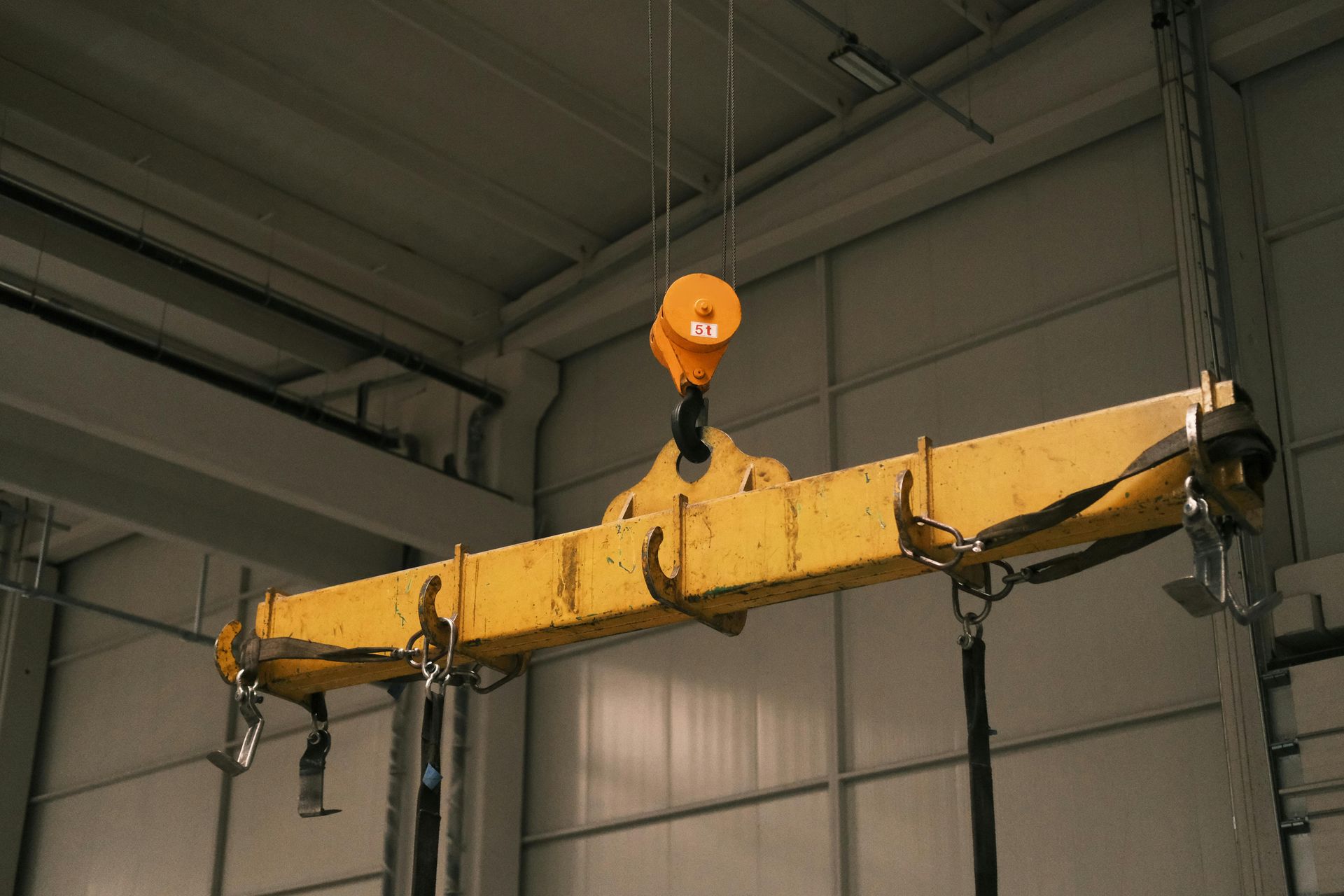
The proof test machine applies force exceeding normal working loads to confirm that slings, shackles, and lifting hardware maintain structural integrity without deformation or failure. Equipment that passes receives certification tags documenting test date, capacity, and serial identification, creating the compliance records needed for jobsite inspections and insurance verification.
Once certification is complete, rigging equipment returns to service with documented proof of capacity and safety, while any hardware that fails testing is removed from use before it causes accidents or load drops. Certification records provide defendable evidence of safety protocols during incident investigations or regulatory audits.
Inspection frequency depends on usage intensity, environmental exposure, and industry regulations, with high-cycle operations requiring more frequent testing than occasional-use equipment. Visual inspection between certifications catches obvious damage like frayed wire rope or cracked welds, but hidden stress fatigue only shows up under proof load conditions.
Answers to Frequent Service Questions
Industrial facilities and contractors operating in the Columbia Basin frequently ask about testing standards and documentation requirements.
What does proof load testing actually measure during the certification process?
Proof load testing applies a force greater than the rated working load to verify that the equipment does not deform, stretch, or fail, confirming that the rigging hardware still meets its original capacity specification and is safe to return to service.
How often do ASME standards require sling inspection and load testing?
ASME B30.9 requires periodic inspection at intervals determined by service conditions, with frequent-use equipment inspected monthly and proof testing performed annually or after any event that could affect capacity, such as overloading or impact damage.
Why does calibration to N.I.S.T. standards matter for proof test equipment?
Calibration ensures that the test machine applies accurate force measurements traceable to national standards, which is necessary for certification documentation to be accepted by inspectors, insurance companies, and clients requiring verified compliance records.
When should rigging hardware be removed from service instead of recertified?
Equipment showing cuts deeper than ten percent of wire rope diameter, cracks in welds or metal fittings, excessive wear at bearing points, or any deformation after proof testing must be permanently removed and destroyed to prevent accidental reuse.
What documentation do industrial operations around Pasco need to satisfy safety audits?
Audits require certification tags on each piece of rigging hardware showing test date and capacity, written inspection logs documenting who performed inspections and what was found, and records proving that failed equipment was removed from service and replaced.
Columbia Rigging Corporation provides inspection & load testing services for customers throughout the Tri-Cities region and central Washington. Contact the team to arrange rigging inspections & proof testing that maintains compliance and keeps lifting operations safe & documented.