Lifting Without Electrical Power Requirements
Manual Chain Hoists in Pasco for maintenance operations, fabrication shops, and warehouse positioning tasks
When overhead cranes are unavailable or impractical, manual chain hoists provide controlled lifting and positioning without electrical infrastructure. Columbia Rigging Corporation supplies manual chain hoists and lever hoists from Coffing, Magna, and All Material Handling for industrial use across Pasco and the surrounding region. These portable hoists handle maintenance tasks in tight spaces, support fabrication work where loads must be held at precise heights, and enable warehouse operations to position equipment without permanent rigging systems.
Manual hoists operate through hand chain or lever mechanisms that engage internal gears, multiplying operator force to lift loads far beyond what unaided workers could handle. Lever hoists allow pulling horizontally or at angles, making them effective for tensioning, dragging, or aligning heavy components during assembly.
Request hoist sizing and equipment recommendations based on your lifting capacity needs and working environment.
How Manual Hoists Address Portable Lifting Needs
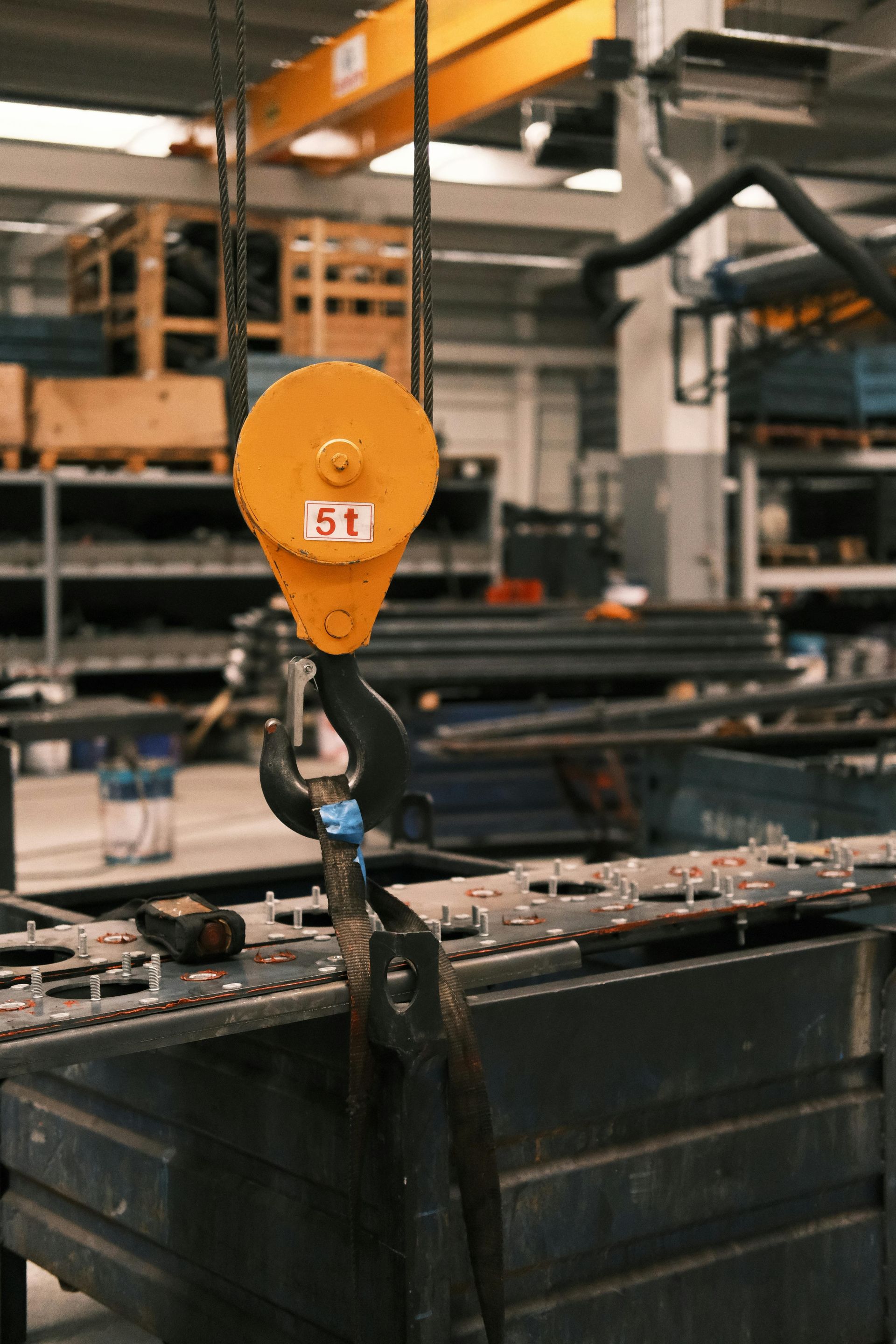
Hoists are available in multiple lifting capacities and chain lengths, matching the weight range and lift height required for specific applications. A hoist rated for half-ton capacity suits light maintenance and parts handling, while multi-ton models support structural steel positioning and heavy machinery installation.
Once a load is lifted, the hoist's braking system holds it securely at the desired height without continuous operator effort, allowing workers to perform installation, welding, or alignment tasks with both hands free. The load remains stable and stationary until the operator deliberately engages the lowering mechanism.
Chain length determines maximum lift height, so applications requiring vertical clearance in tall buildings or deep pits need longer chain than standard warehouse work. Inspection of load chain condition matters because worn or kinked links reduce capacity and create failure risk under load.

Questions Before Starting Your Project
Fabrication shops and maintenance teams in the Tri-Cities area typically ask about capacity selection and operational limitations before acquiring manual hoists.
What lifting capacity should I choose for general maintenance work?
Most maintenance applications involve loads between 500 and 2,000 pounds, so a one-ton manual chain hoist covers the majority of tasks without being unnecessarily heavy or difficult to transport between job locations.
How does a lever hoist differ from a chain hoist in functionality?
Lever hoists use a back-and-forth lever action instead of a continuous hand chain pull, allowing operation in confined spaces where there is no room for the hand chain loop, and they excel at pulling loads horizontally or at angles rather than strictly vertical lifting.
When should I use a manual hoist instead of an electric hoist?
Manual hoists make sense when electrical power is unavailable, when portability between multiple job sites is essential, or when lifting tasks are infrequent enough that the cost and maintenance of electric equipment is not justified.
Why does chain length matter beyond just reaching the lift height I need?
Chain length affects the overall weight and portability of the hoist, and excessively long chain increases the likelihood of tangling or snagging during transport and storage, while too-short chain limits flexibility in positioning the hoist above the load.
What maintenance do manual hoists require in industrial environments around Pasco?
Regular inspection of load chain wear, lubrication of moving parts to prevent corrosion in dusty or outdoor conditions, and verification that braking mechanisms engage properly all prevent sudden failures during lifting operations.
Columbia Rigging Corporation provides manual hoists suited to construction, fabrication, and warehouse environments throughout the region. Schedule a consultation to review lifting requirements and identify appropriate hoist specifications for your operations.